
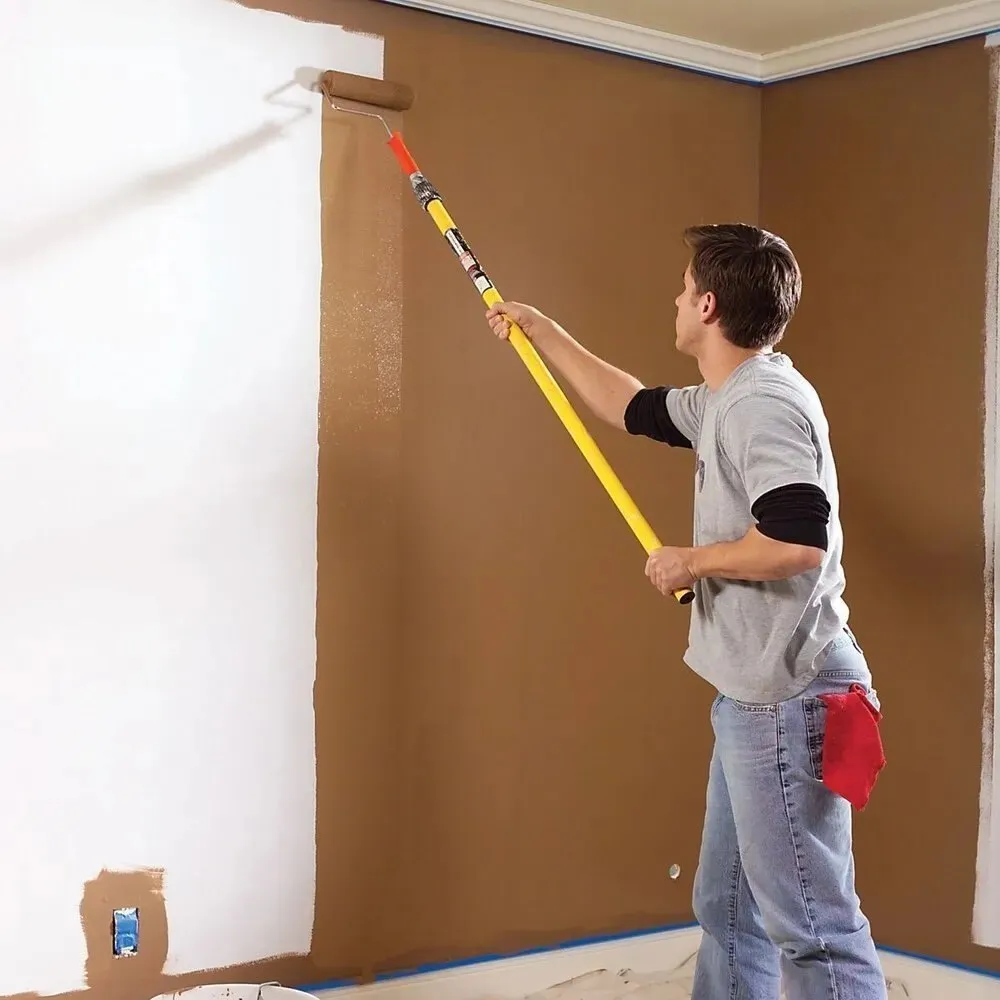
The Home Painting Process
The house represents the people who live in it. The way that the rooms are maintained and the furniture purchased gives an indication of the owners’ taste and personality. The paint job is what makes a house stand out to an outsider.
If done correctly, house paintwork will last many years. If done quickly and without thinking, you will need to repeat the process in a few years.
We will be covering the preparation and execution of painting a house. This covers the selection of the best tools and methods for prepping the walls. We will also examine the differences between hiring help and DIY (Do It Yourself) methods.
Hire Help VS DIY
Both DIY and hiring help are excellent options. Your approach to painting your home will vary depending on which method you choose.
You must inspect your subject, which is in this instance the house, before you can choose from the two options. This will help you decide if you require professional assistance or if you can do it yourself. Here are some factors to be aware of.
a) Square Footage
It is important to determine if you need external help based on the size of the project. Although painting a nursery or dining area may seem like a simple task, exterior painting can be quite challenging. It will take time to prepare the materials for the job. It is difficult enough to consider the time and effort required to prepare the material for the job.
b) First Coat or Touch Up
This debate is important because it provides information about the state of the walls’ paint. A new home is in perfect condition. A new home is easy to paint, and it won’t be affected by any past damage. A house that has stood for many years is a different story. The entire house will need to be professionally sanded, and then scraped due to peeling paint. This is done to ensure that new paint sticks to walls without restrictions. This significantly increases the preparation work and makes professional assistance more practical.
c) In or out
Painting the interior of a house is easier than painting its exterior. Painting outside can be difficult due to weather conditions and difficulty reaching every corner. Professionals are recommended for exterior painting. This will ensure a professional finish and safety.
The Process
Here are the steps to painting a house.
a) Plan your Look
It is one of the most effective ways to reach your goal. This is especially true for painting. To let one’s imagination run wild and decide on the color scheme and placement that suits them best, they must be open to suggestions. You can get ideas from magazines, online blogs and direct conversations with professionals.
b) After examining samples (paint buying guides), choose colors
It takes patience to choose the right color. This patience will be most useful when you flip through the endless supply of paint sample chips. It is a good idea to get the largest paint sample chips that are available in the paint shops.
Take the sample chips with you and observe how they look in natural light for six to seven days. Once you have narrowed down your options, paint the paper in the finalized paints. Then move the paper around the house to get a better view.
c) Determine how much paint you will need
One gallon of paint per 400 square feet is the standard method for calculating the required amount. There are however more sophisticated methods to do the exact same. Online calculators can be used to calculate the amount of paint needed by taking into account the dimensions of your doors and windows. The wall texture and previous coats are also important factors in determining the paint amount.
d) Select the right tools
A standard list of tools is required to paint a good job.
Paint
Paintbrushes
Paint roller
Paint roller
Extension Pole
Drop Clothes
Putty Knife
Dirty Rags
Sandpaper
Painter’s Tape
Paint Tray
Based on many factors, such as the paint type, it may be necessary to alter the above list.
e) The walls and the room must be prepared
It is straightforward to prepare a room for paint. You should remove anything you don’t wish to paint. If the item is not movable, move it to the center and cover it with a plastic sheet. Tape the corners of the room’s base and corners with house painters auckland tape.
f) Paint is Mixed
Use a flat wooden stick to stir the paint at the beginning, and every now and again throughout the entire process. This helps keep paint loose and prevents any film from forming on top.
g) Select a painting technique
Before you start, it is important to have a plan of action. It is best to start at the top and work your way down. If you are using multiple colors in the same space, finish the walls with the lighter colours first.
h) Keep the space aerated
When painting a room, windows must be kept open. Fans should run at maximum speed. Paint contains many chemicals, so it is unsafe to stay in a room with their fumes. This also speeds up the drying process.
i) Clean up
It is exhausting, but necessary. This includes taking off the tape and collecting any crumbs. It is important to clean your brushes. To clean oil-based paints and mineral spirits, you will need soap and water.
j) Take your time
It takes patience to paint a house. This patience will be tested when the paint is dry and again during the second coat. But, it is well worth the wait.
k) Maintain exterior paint
Exterior house paint can be subject to a lot of abuse from the elements. It is important to keep the paint in good condition. You can maintain exterior paint by using pressure washing, anti-mould spray paint, and repainting every six to ten years.
The Home Painting Process
Although painting a home might seem like an easy task that focuses on its appearance, it is vital for its health. It protects the home and ensures its longevity. Painting should be done carefully and taken seriously.