
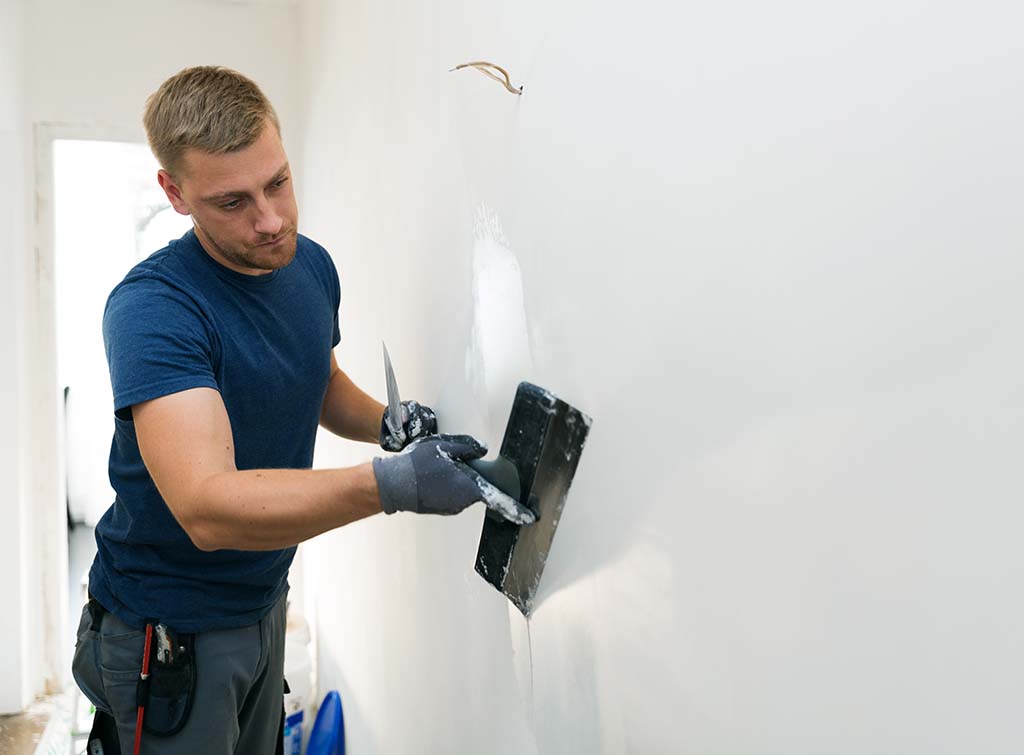
Preserving the charm and character of old houses often involves the meticulous task of plastering. Unlike modern drywall, historic homes boast traditional lime or gypsum-based plaster that requires a unique approach to repair and restore. This guide aims to provide a comprehensive overview of plastering techniques for old houses, ensuring a seamless blend of tradition and preservation. For residents in Auckland seeking skilled professionals for their plastering needs, experienced plasterers in Auckland can offer expertise in handling the specific challenges presented by historic homes. By incorporating these local specialists, homeowners can enhance the authenticity of their dwellings while ensuring the longevity of the plasterwork.
I. Understanding Historic Plaster:
-
Types of Plaster:
- Lime Plaster: Common in historic buildings, lime plaster is breathable and flexible, allowing the structure to adapt to changing conditions.
- Gypsum Plaster: Often found in the later part of the 19th century, gypsum plaster is harder than lime but less flexible.
-
Common Issues:
- Cracks: Due to settling, temperature changes, or structural issues.
- Water Damage: Leaks and dampness can lead to crumbling plaster.
- Lath Damage: Many old houses have wooden lath as a base, which can deteriorate over time.
II. Preparing for Plastering:
-
Assessment and Planning:
- Thoroughly inspect the existing plaster for damage and determine the type of plaster used.
- Plan the plastering process, considering the extent of damage and the type of repair needed.
-
Safety Precautions:
- Use appropriate personal protective equipment (PPE) such as goggles and masks.
- Ensure proper ventilation, especially when working with lime plaster.
III. Repairing and Patching:
-
Removing Damaged Plaster:
- Safely remove loose or damaged plaster using a hammer and chisel.
- Address underlying issues like leaks before proceeding with repairs.
-
Lath Repair:
- Assess the condition of wooden lath and replace any damaged sections.
- Ensure a solid foundation for the plaster by securing lath properly.
-
Base Coat Application:
- Mix plaster according to the specific requirements of the existing plaster type.
- Apply a base coat to the lath using a hawk and trowel, ensuring an even and smooth surface.
IV. Plastering Techniques:
-
Applying Finish Coats:
- For lime plaster, apply multiple thin finish coats, allowing each layer to dry before the next application.
- Gypsum plaster can be finished with a smoother texture, achieving a polished look.
-
Texturing and Matching:
- Replicate the original texture by using various tools, such as a sponge, brush, or comb.
- Achieve color matching by experimenting with pigments or consulting a historic paint expert.
V. Curing and Maintenance:
-
Curing Time:
- Allow sufficient time for the plaster to cure before painting or applying any finishes.
- Keep the environment well-ventilated to facilitate the curing process.
-
Maintenance Tips:
- Regularly inspect plastered surfaces for signs of damage or wear.
- Address minor issues promptly to prevent further deterioration.
VI. Final Touches:
-
Painting and Finishing:
- Choose breathable paints suitable for historic plasters.
- Consider consulting with preservation experts to determine appropriate finishes.
-
Documentation:
- Keep detailed records of the plastering process, including materials used and techniques applied.
- Documenting the restoration ensures future generations can continue the preservation effort.
Conclusion:
Preserving the integrity of old houses through plastering is a delicate yet rewarding endeavor. By understanding the nuances of historic plaster, following proper techniques, and embracing the challenges that come with restoration, homeowners can ensure that the beauty of these architectural gems endures for generations to come. Whether tackling small repairs or embarking on a full-scale restoration project, this guide serves as a comprehensive resource for anyone committed to breathing new life into the past